How to Choose a Private Gaudí Tour in Barcelona
Choosing a private Gaudí tour in Barcelona is less about finding the most famous buildings and more about finding the right fit for your time, pace and interests. Gaudí's work is spread across the city, and each site rewards a different kind of attention. A good plan makes the day feel smooth, not rushed, and leaves room for the details that make the architecture memorable.
Start with the places you actually want to see
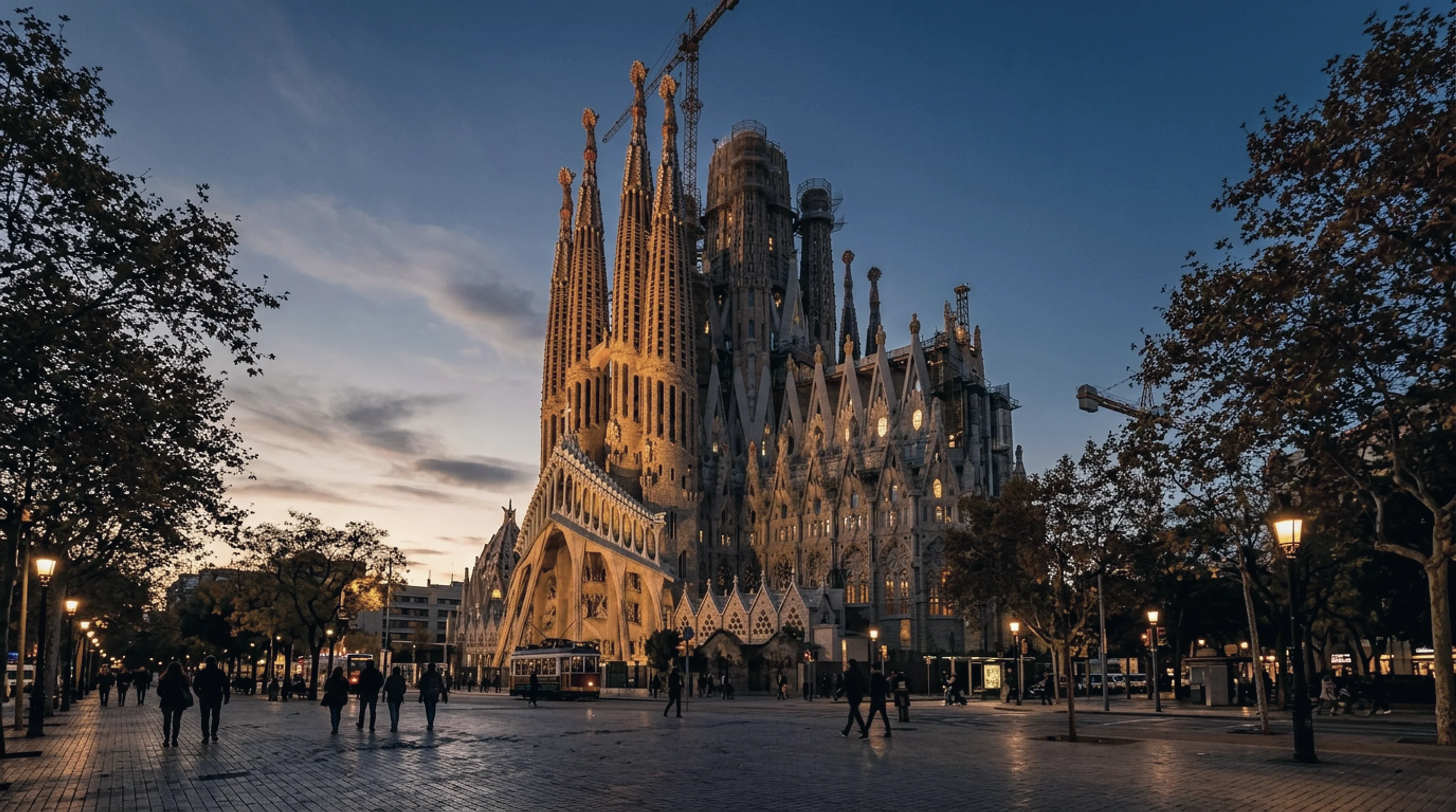
Begin by deciding which Gaudí sites matter most to you. Sagrada Familia is often the first name people recognise, but it is very different from Park Güell, Casa Batlló or La Pedrera. One is a vast basilica full of light, colour and symbolism. Another is a hillside park with mosaics, views and winding paths. The houses show Gaudí's skill with everyday living spaces, façades and ornaments.
A private tour can cover several stops, but that does not mean every stop should be included. Think about how much time you want to spend at each place and how much walking you are comfortable with. If the aim is a broad introduction, a shorter route with three clear stops may work better than a packed day. If your interest is architectural details, fewer buildings with deeper commentary will feel more rewarding.
Watch for routes that list famous names without explaining how long you will stay at each one. Also check whether travel time between stops is built into the plan. Barcelona is easy to move around, but crossings, queues and busy streets can eat into a schedule. A route that looks neat on paper may feel tight in real life.
Match the commentary to your level of interest
Guided commentary can turn a visually striking building into something much easier to understand. The best commentary is neither a rehearsed lecture nor a stream of trivia. It connects what you can see with why it matters: shapes, materials, light, pattern and the ideas behind the design.
If you are visiting with children, look for a tone that is clear and lively rather than overly technical. If you are travelling with architecture students or keen design lovers, you may want more depth on structure, geometry and historical context. Be honest about the group's patience and attention span. A tour that is too dense can feel tiring, while one that is too light may leave you wanting more.
Ask what language the tour is delivered in and whether the guide can adjust the level of detail. Clear communication matters more than polished wording. If someone in the group has limited mobility or hearing needs, mention that before booking so the route and commentary can be planned sensibly.
Check how the private format works in practice
A private tour should feel personal in a practical sense, not just in the label. Confirm who will be in the group, how long the tour lasts and whether the itinerary is fixed or flexible. Some routes benefit from a set order, especially when entry times matter. Others can be adjusted on the day if the group wants more time at one stop.
It is also worth checking what the word private covers. In some cases, it may mean only your group joins the guided portion, while entry to popular sites still follows the venue's normal visitor rules. That distinction is not a problem, but it should be clear from the start. Knowing what is included helps avoid assumptions about access, timing or crowd levels.
When comparing options, a name such as privatetourinbarcelona.com can be a useful reference point for checking how details are presented. Look for clear descriptions of the route, meeting point, duration and what the commentary focuses on. Good information before booking usually leads to fewer surprises on the day.
Understand entry access without relying on vague promises
Many Gaudí sites are busy, so entry planning deserves careful attention. The phrase skip-the-line access is common, but it can mean different things. It may refer to a separate entry lane, a timed ticket or a prearranged admission method. It does not always mean walking straight past every queue at every moment.
Read the wording closely. Find out whether admission tickets are included, whether a reserved time is part of the plan and what happens if the group arrives late. For Sagrada Familia and Park Güell, timed entry can shape the whole day. A tour that starts at one site and moves to another needs enough breathing room for security checks, slow movement through crowded areas and short pauses.
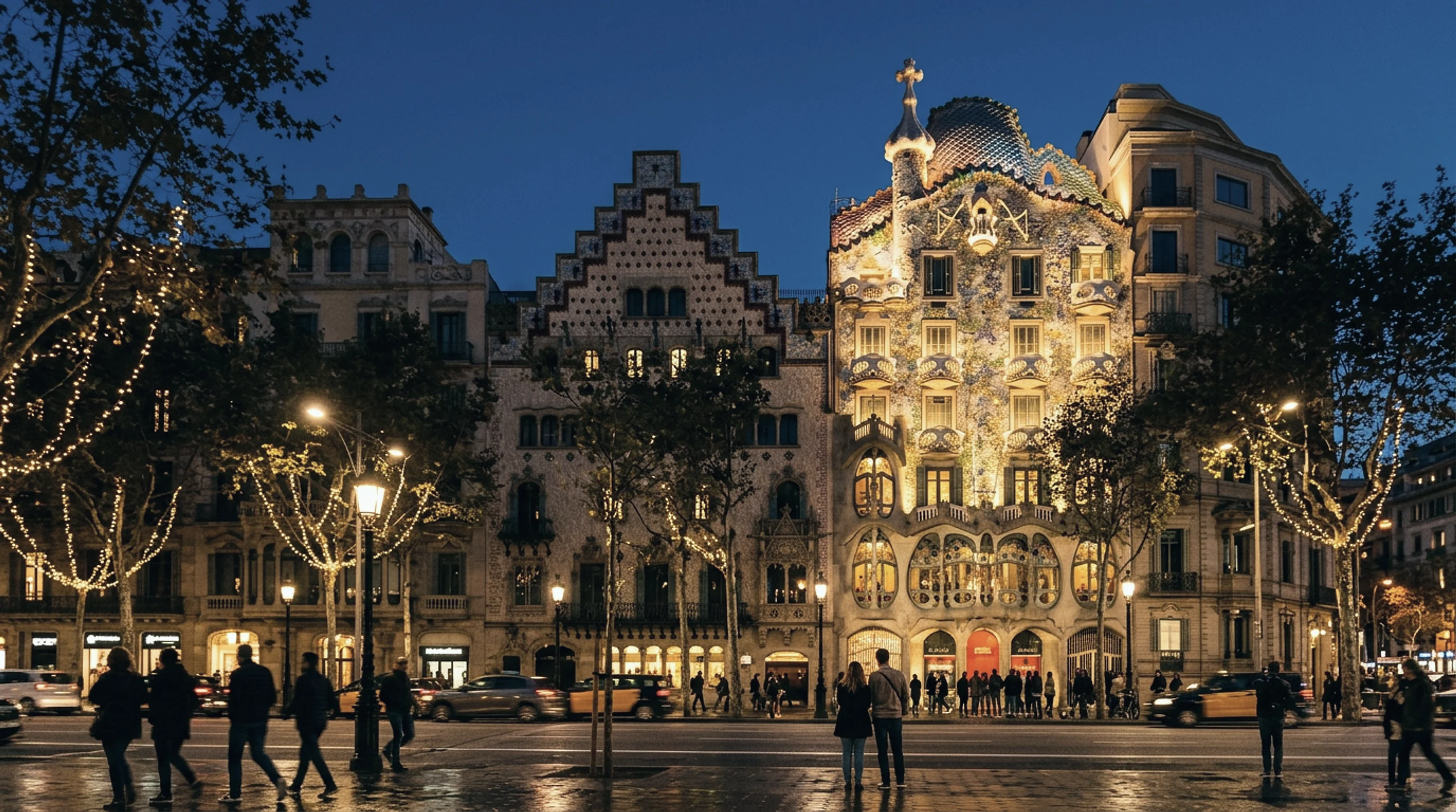
Also check whether the tour goes inside the buildings or focuses on exterior viewing. Casa Batlló and La Pedrera are very different experiences from the outside and inside. If interior access matters, make sure it is part of the plan rather than an optional extra you discover later.
Plan the pace around the city, not just the itinerary
Barcelona rewards slow looking. Gaudí's work is full of small features that are easy to miss when moving quickly: tile patterns, ironwork, curved surfaces, window frames and the way façades catch the light. A good private tour leaves space for those observations instead of treating each stop as a photo opportunity.
Think about the order of the day. Starting with a major site such as Sagrada Familia can set a strong context, but it may also involve more security and crowd management. Starting with a quieter stop can help the group settle in before a busier visit. If the route includes Park Güell, remember that the setting involves slopes and uneven paths. Comfortable shoes matter, and a shorter route may be better in hot weather.
Meals and breaks also shape the experience. A tour that runs through the middle of the day without a pause may feel harder than expected, especially for families. Ask whether there is a natural break point and whether the route can pause without losing momentum. This is a practical detail, but it can change how much the group enjoys the commentary.
Some travellers also like to place a Gaudí tour alongside a short walk through the Gothic Quarter. That works well if the contrast is intentional: old streets, medieval stone and narrow lanes beside the flowing forms of modernisme. Keep the extra walk separate unless you want a full day with varied themes. Otherwise, the Gaudí portion may lose focus.
Compare value, not just the list of highlights
When weighing different tours, put the details side by side. A longer tour is not automatically better, and a shorter one is not automatically shallow. The real value lies in how well the route, commentary, access and pace suit your group. A focused tour that gives you time to look closely at La Pedrera may be more satisfying than a fast route that touches every famous name.
Read descriptions with a critical eye. Clear wording about meeting arrangements, timing and what happens at each stop is more useful than broad claims. If a page relies on grand adjectives but gives little practical information, treat that as a sign to ask questions. If the details are specific and easy to follow, planning becomes much simpler.
The name privatetourinbarcelona.com may come up while you are comparing options, but the same standard applies everywhere: check the substance behind the description. A private Gaudí tour should help you see the work with more understanding, not simply move you between landmarks.
Confirm the small details before you commit
Once a route feels right, check the remaining practical points. Confirm the meeting point in terms you can recognise, the start time, the expected finish time and what the group should bring. Ask whether the tour continues if weather changes, since some outdoor areas are less comfortable in rain or strong sun. A little preparation makes the experience calmer.
Finally, consider what kind of memory you want from the day. Some people want a strong visual overview, with Sagrada Familia, Casa Batlló and Park Güell all in one route. Others want to study one building closely and notice how light, line and ornament work together. Both approaches are valid. The right private Gaudí tour in Barcelona is the one that gives your group enough space to see, ask and understand.